October 2, 2026
Hardscaping projects have become increasingly popular in recent years as homeowners strive to create beautiful and functional outdoor spaces. Nonetheless, several misconceptions continue to surround hardscaping efforts. Let's take a moment to dispel a few common myths and provide clarity on this topic.
Misconception 1: Hardscaping Is Merely Aesthetic
Enhancing Functionality With Hardscaping
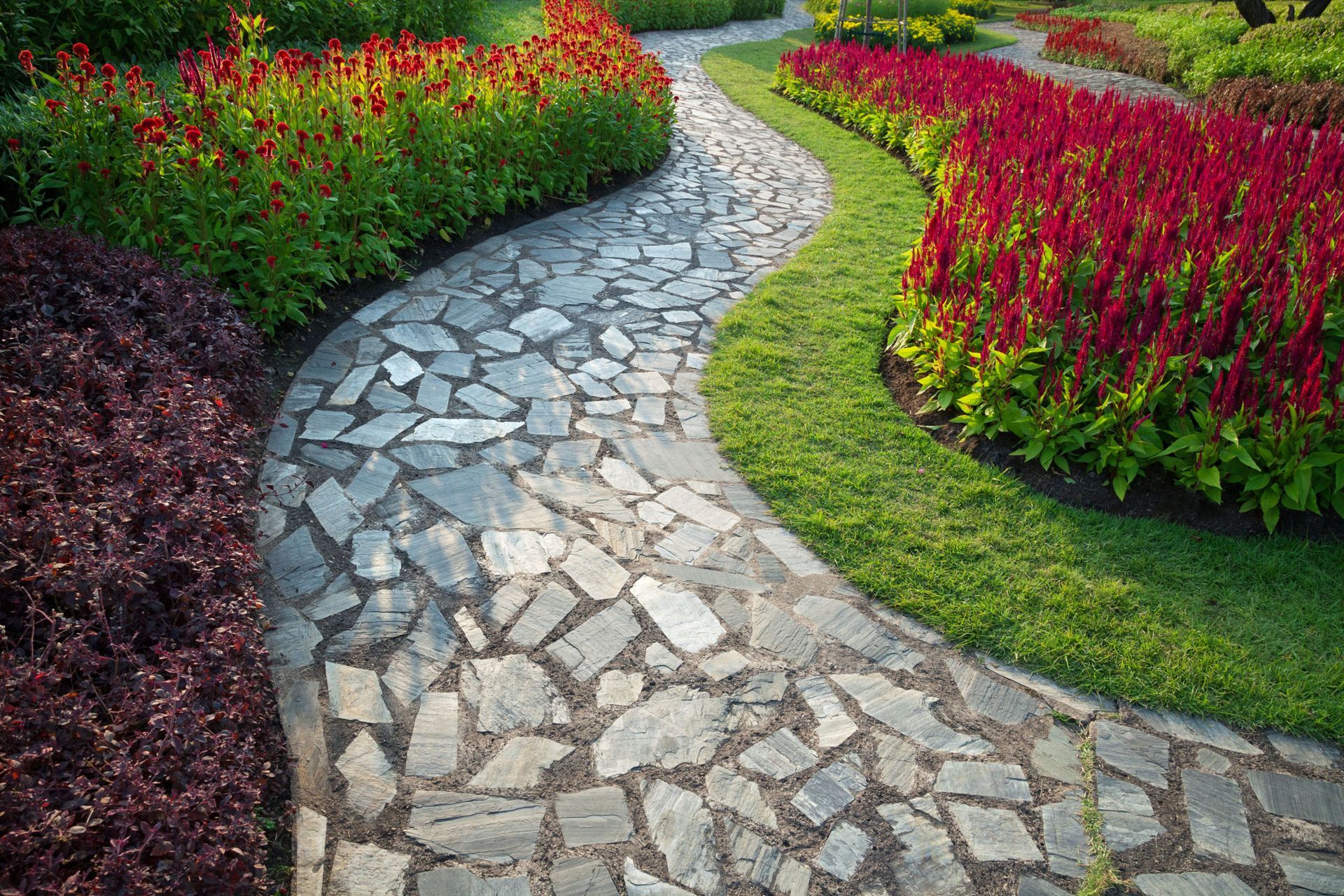
While hardscaping undeniably enhances the aesthetics of a space, its functional benefits are equally compelling. Structures such as driveways and walkways offer practical solutions for movement and transportation within the landscape. Patio spaces often function as outdoor living rooms, providing a setting for social gatherings and relaxation. Thus, hardscaping extends living spaces beyond traditional indoor confines. This functionality ultimately elevates the usability of any outdoor area over and above mere visual appeal.
Hardscaping and Property Value Increases
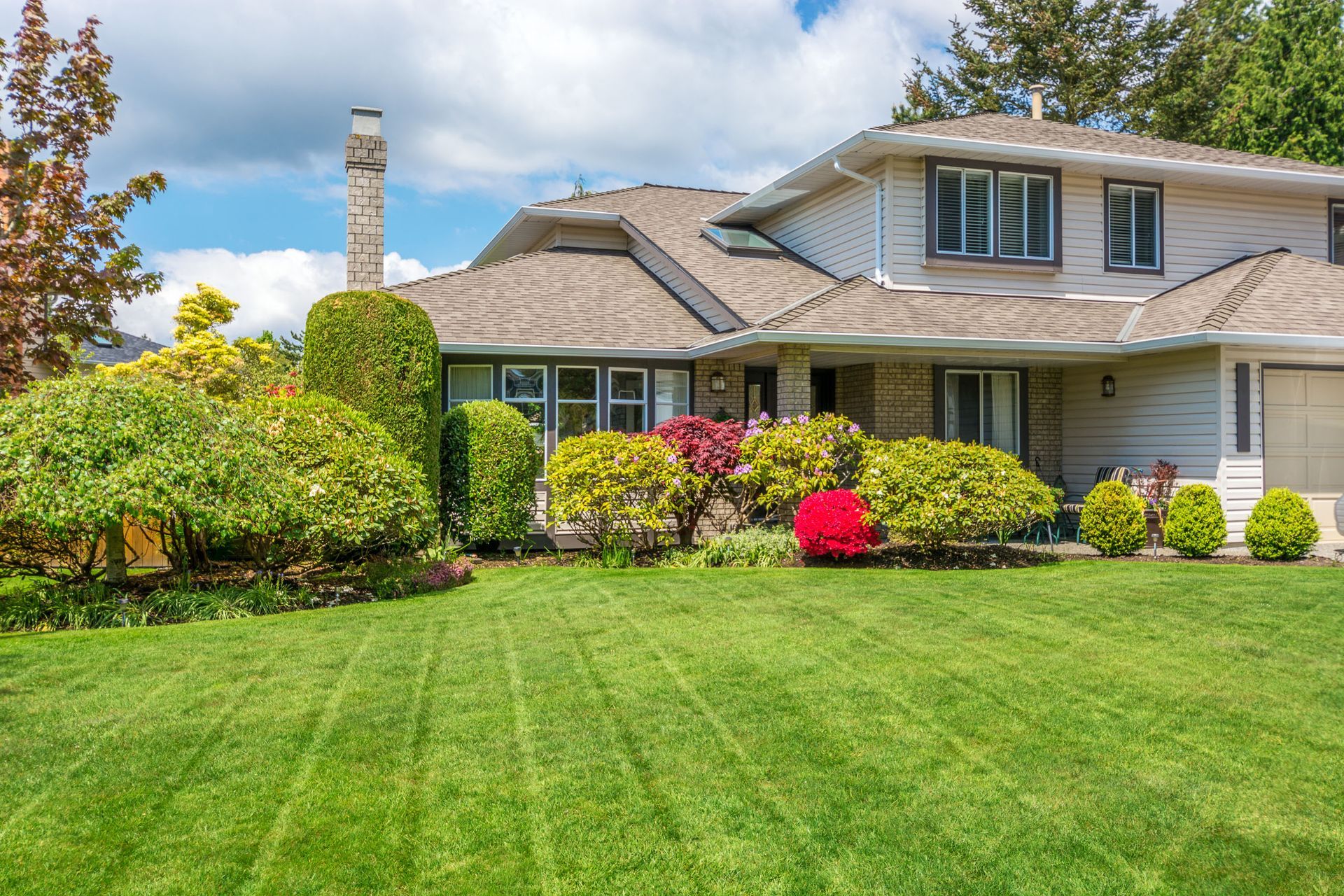
Investing in hardscaping projects can substantially increase a property's market value. A meticulously crafted outdoor area not only enhances curb appeal but also adds equity through enhanced functionality. Prospective buyers often favor homes with designated outdoor areas for leisure and entertainment. Moreover, hardscape features such as efficient drainage systems can prevent costly water damage to the property. Consequently, hardscaping contributes to both immediate enjoyment and long-term property appreciation.
Hardscaping for Environmental Benefits
Hardscaping can be employed to foster various environmental benefits, challenging the misconception that it is purely decorative. For instance, permeable pavers allow water to infiltrate the ground below, reducing surface runoff and aiding in water filtration. Retaining walls help combat soil erosion on sloped terrain, preserving the landscape. Moreover, by creating designated pathways, hardscaping minimizes foot traffic on grass, encouraging healthier lawns. Environmentally conscious designs prove that hardscaping can positively influence ecological balance.
Durable Solutions Beyond Beautification
The materials employed in hardscaping are valued for their durability, providing both beauty and resilience. Structures like stone paths and brick walls withstand heavy use and harsh weather conditions without deteriorating. These durable solutions lend a lasting elegance to outdoor spaces, requiring minimal long-term upkeep. Furthermore, well-executed designs prevent pest infestations and storm damage, delivering a return on investment through reduced repair needs. Thus, hardscaping is more profound than merely aesthetic improvements; it is a choice for lasting functionality.
Misconception 2: Hardscaping Is Only for Large Yards
Maximizing Small Outdoor Spaces
Contrary to popular belief, hardscaping is not exclusive to expansive properties. On the contrary, it's an efficient way to maximize small outdoor spaces, enhancing functionality without overwhelming the area. Vertical hardscaping elements, such as trellises and wall planters, use minimal ground space while adding depth. Patios and pathways can be designed to enhance the perception of space by using light colors and strategic layouts. Hardscaping thus empowers homeowners with limited space to create beautiful and functional outdoor environments.
Innovative Designs for Urban Living
Innovative hardscaping designs offer urban dwellers an opportunity to enjoy nature within city confines. For instance, rooftop gardens incorporate both hardscape and landscape elements, providing a green escape amidst urban sprawl. Wall gardens, composed of vertically arranged planters, offer compact greenery solutions to accommodate urban limitations. Courtyards with reflective water features or minimalistic designs can transform small urban yards into serene landscapes. Even in densely populated areas, hardscaping facilitates versatile and soothing outdoor retreats.
Space-Efficient Features for Any Yard Size
Hardscaping encourages innovative, space-efficient features suitable for any yard size, offering various possibilities for optimization. Multi-functional structures like built-in seating around fire pits save on space compared to freestanding furniture. Compact patios provide intimate areas for relaxation or dining, adapted to the available land area. Elements such as corner pergolas exploit underutilized spaces, enhancing usability without encroaching on existing amenities. Through deliberate design choices, hardscaping tailors functional and aesthetic solutions to each unique landscape.
Techniques for Creating Illusions of Space
Beyond physical space optimization, hardscaping employs visual techniques to create the illusion of larger areas. Diagonal patterns in pathways or patio stonework can draw the eye across the space, suggesting breadth. Mirrored surfaces and strategically placed lights reflect and distribute light, adding depth and expansiveness. Vertical structures naturally guide the gaze upwards, offering a sense of grandeur and openness. These creative techniques transform confined spaces into dynamic and liberating environments.
Customizing Hardscaping to Fit Any Landscape
One of hardscaping's strengths lies in its adaptability to different landscapes and personal preferences. Designs can be customized to complement the existing architecture, integrating seamlessly with current aesthetics. Terrains pose unique challenges, yet hardscaping solutions such as terraces and retaining walls harness these differences to enrich the design. Personalization of materials, patterns, and features ensures each area is as unique as its owner. Thus, hardscaping remains versatile, fitting any landscape and satisfying diverse tastes.
Misconception 3: Hardscaping Projects Aren't Affordable
Budget-Friendly Materials and Designs
Many homeowners shy away from hardscaping due to perceived high costs, yet numerous budget-friendly options are available. Concrete pavers offer a cost-effective alternative to natural stone, mimicking its appearance without the price tag. Using recycled materials or opting for simpler layouts further reduces costs without sacrificing choice. Implementing modest designs can still yield stunning results by focusing on key features or accentuating existing elements. Thus, affordable hardscaping remains achievable with strategic decisions and material selection.
Financing Options for Homeowners
Numerous financing options exist to ease the financial strain of undertaking hardscaping projects. Many contractors offer payment plans that allow homeowners to distribute costs over months or years instead of upfront lump sums. Home equity loans or personal loans provide further funding avenues by leveraging the home's current market value. Additionally, some local governments provide grants or incentives for environmentally friendly hardscaping efforts. Through exploration and planning, homeowners can make informed choices to finance projects effectively.
Prioritizing Projects for Incremental Investment
Instead of attempting to complete an entire hardscaping project at once, homeowners can prioritize phases for incremental investment. Focus on completing one element at a time, such as a patio before addressing landscaping or additional structures. This strategy alleviates immediate financial pressure, extending the project timeline according to available funds. Prioritization encourages thoughtful decision-making about which elements deliver the most value initially. Gradually expanding the scope allows for adaptability and controlled budget management over time.
Misconception 4: DIY Hardscaping Is Always a Good Idea
Pros and Cons of DIY Approaches
The trend of do-it-yourself (DIY) hardscaping garners attractiveness due to perceived cost savings and personal involvement. On the plus side, DIY allows for creativity, skill acquisition, and timing flexibility to match individual schedules. However, without expertise, some projects risk improper installation and the inability to meet structural demands. Errors may ultimately require professional intervention, negating initial cost advantages or doubling expenses. You may also spend much more time on a project than expected. According to This Old House, a retaining wall that is 10 to 16 feet long takes about eight to 10 hours to build, but this timeline can look very different for an amateur who may make mistakes. Weighing the pros and cons of DIY allows homeowners to make informed decisions respecting both skill levels and resources.
Skill Levels Required for Different Projects
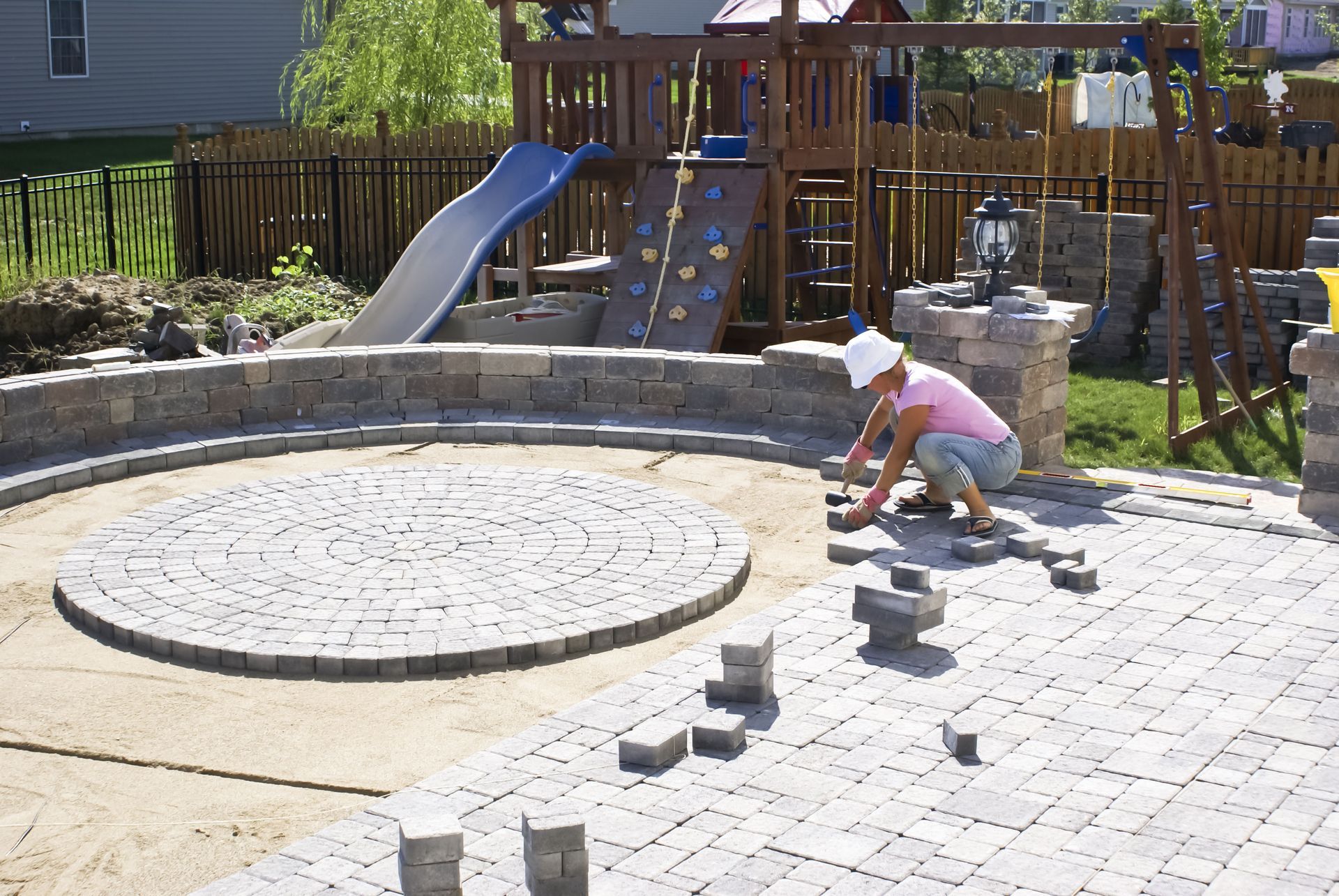
Varying hardscaping projects necessitate distinct skill levels for successful execution. Basic projects such as laying patio stones and assembling prefabricated structures require fundamental skills, easily cultivable through tutorials and practice. Conversely, more ambitious feats like constructing a retaining wall demand an understanding of load-bearing principles and material suitability. Misjudging the complexity and personal proficiency can lead to compromised structures. Understanding these requirements helps avoid pitfalls and directs individuals toward manageable projects consistent with their abilities.
Hidden Costs of DIY Hardscaping
Unforeseen expenses often arise in DIY hardscaping, impacting budgets due to inexperience or trial-and-error. Rentals or purchases of specialized tools might be necessary, inflating initially estimated cost savings. Additionally, errors could result in wasted materials requiring replenishment. Repair or reconstruction costs when initial efforts fall short can further negate any savings from labor. Awareness of these hidden costs shifts the favor toward professional intervention in projects that promise extensive skill demands.
Understanding the realities of hardscaping projects helps you make informed decisions, maximize your outdoor space's potential, and ensure that your investments are both aesthetic and functional. To learn more, reach out to the experts at Dimensions Landscape Group today.