
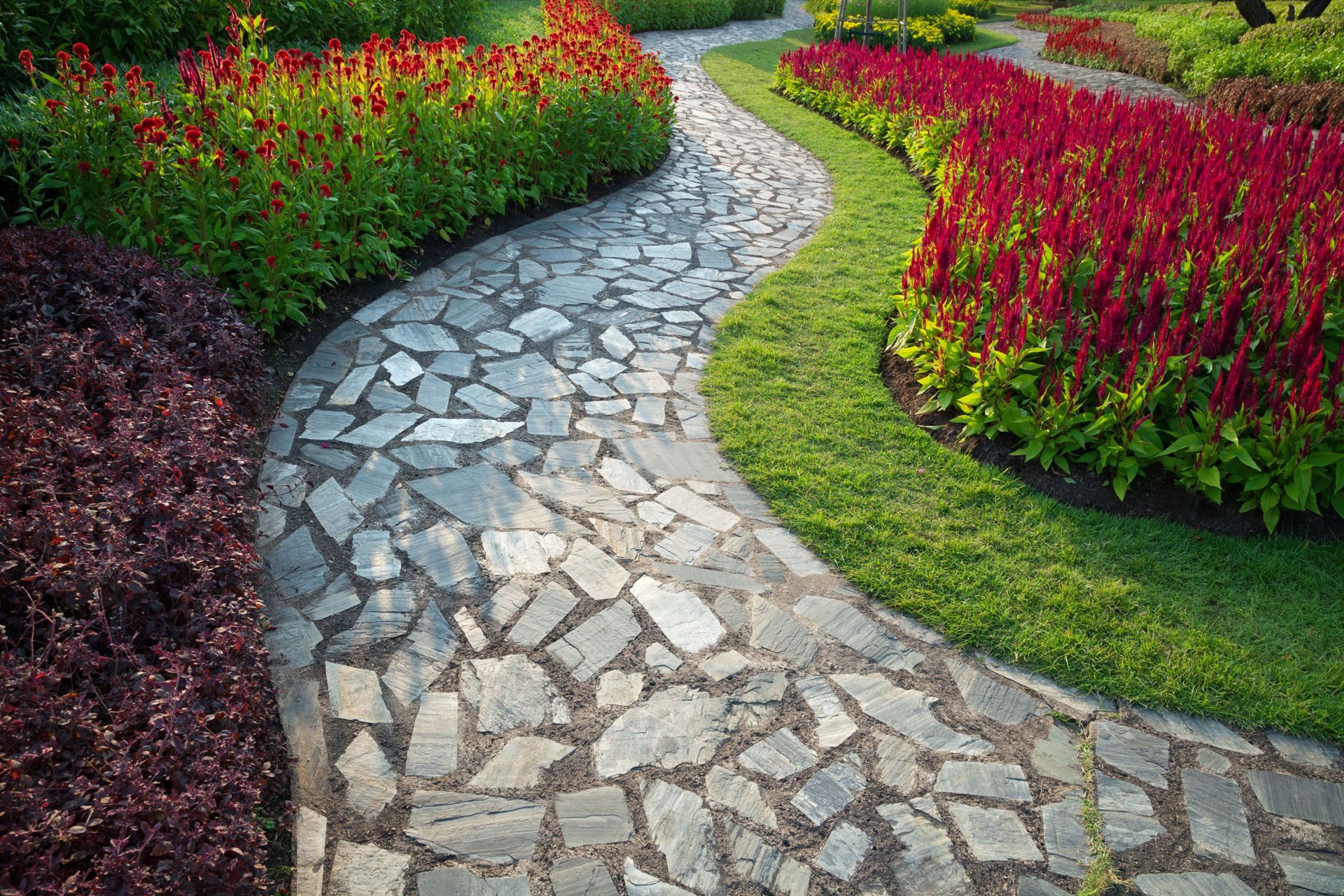
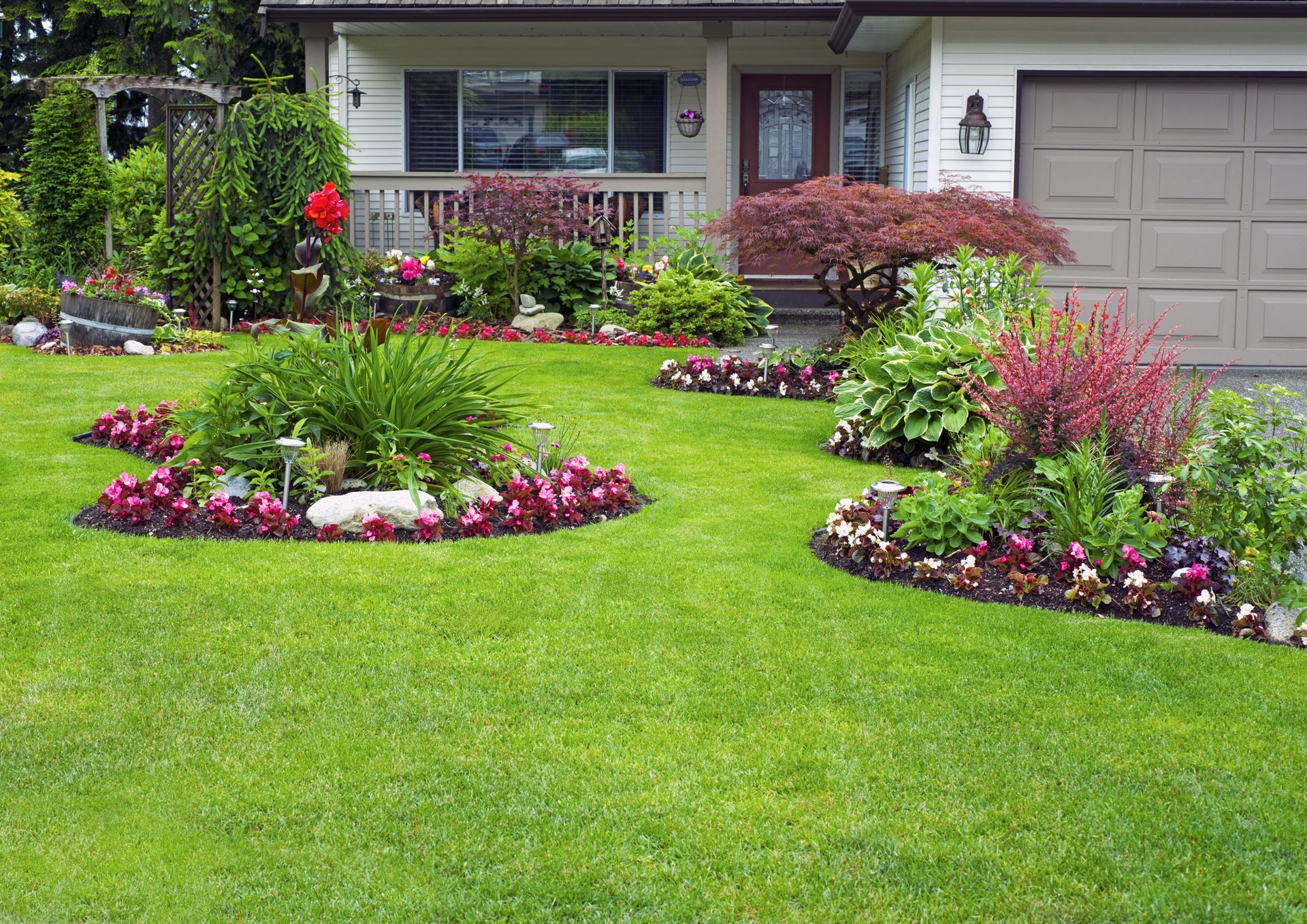
Your home's landscaping does more than create an attractive first impression. It influences how you enjoy your outdoor spaces, how your property functions, and how potential buyers perceive its value. From healthy lawns and attractive gardens to strategically placed trees and shrubs, professional landscaping offers benefits beyond appearance. At Dimensions Landscape Group, we understand that every property has unique characteristics and maintenance needs. Investing in professional landscaping and a dependable lawn service can help homeowners protect their outdoor spaces while creating an environment that complements their homes. Whether you're preparing to sell your property or want to enjoy your yard, understanding the benefits of landscaping can help you make informed decisions. Here are seven reasons why your home's landscaping deserves attention. 1. Enhance Your Home's Curb Appeal Curb appeal influences how visitors, neighbors, and potential buyers perceive your home. A well-maintained lawn, trimmed shrubs, and thoughtfully arranged flower beds create an inviting appearance that reflects the care invested in your property. Professional landscaping can highlight your home's architectural features. Carefully selected plants can frame entryways, complement exterior colors, and create visual balance. Ornamental shrubs can emphasize a front entrance, while decorative plants add dimension to walkways and garden borders. Seasonal landscaping enhances curb appeal by introducing different colors and textures throughout the year. Spring flowers, summer greenery, autumn foliage, and evergreen plants help maintain an attractive appearance across changing seasons. A professional lawn service helps preserve these improvements through consistent maintenance. At Dimensions Landscape Group, we recognize the importance of creating outdoor environments that remain welcoming throughout the year. 2. Increase Your Property's Market Value Landscaping can be a valuable investment for homeowners looking to improve their property's market appeal. Attractive outdoor spaces contribute to a home's presentation and may influence how buyers evaluate its condition. According to Lawnstarter, homes that feature landscaping generally sell for 5% to 12% more than comparable homes without it. While individual results depend on location, property condition, and market conditions, this statistic highlights the potential financial benefits of landscaping. Potential buyers appreciate properties with established greenery, defined outdoor areas, and healthy lawns. These features make a home more inviting while helping buyers envision how they might use the outdoor space. Professional landscaping allows homeowners to prioritize improvements that complement their property. Rather than making disconnected changes, experienced professionals can develop cohesive designs that support appearance and functionality. Maintaining these improvements is important. A reliable lawn service helps preserve landscaped areas, protecting the investment homeowners have made in their properties. 3. Improve Your Outdoor Living Experience Your yard should be more than an attractive feature viewed through a window. Thoughtful landscaping can transform outdoor areas into functional extensions of your home, providing spaces for relaxation, entertainment, and family activities. Professional landscape planning considers how homeowners want to use their properties. Some families benefit from open grassy areas where children can play, while others prefer private gardens, shaded seating areas, or attractive surroundings for outdoor gatherings. Strategically arranged plants help establish distinct areas without creating unnecessary barriers. Shrubs and ornamental grasses provide separation between gathering spaces, while trees offer natural shade during warmer months. A well-maintained lawn contributes to the comfort and usability of these spaces. Regular attention from a professional lawn service helps keep grassy areas attractive and suitable for everyday enjoyment. At Dimensions Landscape Group, we believe outdoor spaces should reflect homeowners' preferences while complementing existing property features. Thoughtful landscaping creates environments that support the activities homeowners enjoy. 4. Support a Healthier Outdoor Environment Landscaping contributes to a healthier outdoor environment by incorporating vegetation that supports local ecosystems. Trees, shrubs, flowers, and grassy areas serve different purposes within a thoughtfully designed landscape. A diverse selection of plants provides food and shelter for birds, butterflies, and other beneficial wildlife. Flowering plants attract pollinators, while established shrubs and trees create habitats for various species. Vegetation also helps manage rainfall and protect soil. Healthy plant roots stabilize the ground, while landscaped areas absorb rainwater and reduce surface runoff. These benefits depend on soil conditions, plant selection, and property grading. Professional landscaping allows homeowners to incorporate environmentally responsible features without sacrificing visual appeal. Experienced professionals can recommend plant varieties suited to local growing conditions and develop maintenance approaches that support long-term plant health. A consistent lawn service can help identify concerns, such as thinning grass or unhealthy vegetation, before they affect larger portions of the landscape. 5. Improve Your Home's Energy Efficiency Thoughtfully positioned trees and shrubs influence the temperature and comfort of areas surrounding your home. Strategic landscaping may reduce certain heating and cooling demands by providing shade and limiting exposure to seasonal winds. During warmer months, trees shade windows, exterior walls, and outdoor gathering areas. This natural protection reduces direct sunlight on building surfaces and makes nearby spaces more comfortable. In colder climates, appropriately positioned evergreen trees and dense shrubs may serve as windbreaks. These plantings help reduce wind exposure, although their effectiveness depends on placement, maturity, and local weather conditions. Professional landscape planning considers these factors alongside the property's architecture and available space. Trees require sufficient room for future growth, and plant selection should account for nearby structures, utilities, and maintenance requirements. At Dimensions Landscape Group, we understand that successful landscaping requires balancing appearance with practical considerations. Thoughtful planning creates attractive outdoor spaces while supporting the home's comfort and efficiency. 6. Define Your Property's Outdoor Spaces Landscaping improves how outdoor areas are organized and used. Professionally designed plantings, garden borders, and natural barriers establish visual boundaries while maintaining a cohesive appearance. For homeowners seeking privacy, strategically placed shrubs and trees create separation from neighboring properties. Appropriate plant varieties and arrangements depend on available space, desired coverage, and maintenance needs. Landscaping also highlights pathways and entrances, helping visitors navigate the property. Decorative plants and defined garden beds guide attention toward important features without overwhelming the surrounding environment. Properties with irregular layouts benefit from professional design that creates balance. Different plant heights, textures, and arrangements add visual depth while making outdoor areas feel organized. Maintaining these features requires ongoing attention. A professional lawn service helps keep grass, borders, and surrounding vegetation consistent with the original landscape design. These improvements contribute to an outdoor environment that feels intentional, attractive, and suited to the homeowner's needs. 7. Protect Your Landscaping Investment Creating an attractive landscape is only part of the process. Consistent maintenance preserves its appearance and supports the health of lawns, trees, shrubs, and other plants. Without appropriate care, landscaped areas may develop problems involving overgrowth, thinning grass, weeds, or unhealthy plants. These issues diminish curb appeal and may require extensive corrective work. Professional maintenance provides a structured approach to seasonal needs and changing landscape conditions. Services may include mowing, trimming, edging, and other property-specific care, depending on the maintenance plan. Working with an experienced lawn service provides access to professionals who understand how growing conditions influence landscape health. Appropriate maintenance schedules help homeowners avoid unnecessary stress on plants while preserving their property's appearance. At Dimensions Landscape Group, we recognize that maintaining a landscape requires attention to detail and an understanding of how outdoor environments change over time. Professional care helps homeowners enjoy their investment without managing every landscaping task themselves. Invest in Your Property With Dimensions Landscape Group Your home's landscaping influences its appearance, functionality, comfort, and potential market value. From enhancing curb appeal and creating enjoyable outdoor spaces to supporting healthy vegetation and maintaining property boundaries, professional landscaping offers benefits homeowners can appreciate throughout the year. At Dimensions Landscape Group, we understand the value of thoughtful landscape improvements and consistent property care. Whether you're enhancing your home's exterior or maintaining an established landscape, choosing a professional lawn service helps protect your investment. Contact Dimensions Landscape Group to discuss your landscaping needs and learn how professional care can help your outdoor spaces remain attractive, functional, and welcoming.
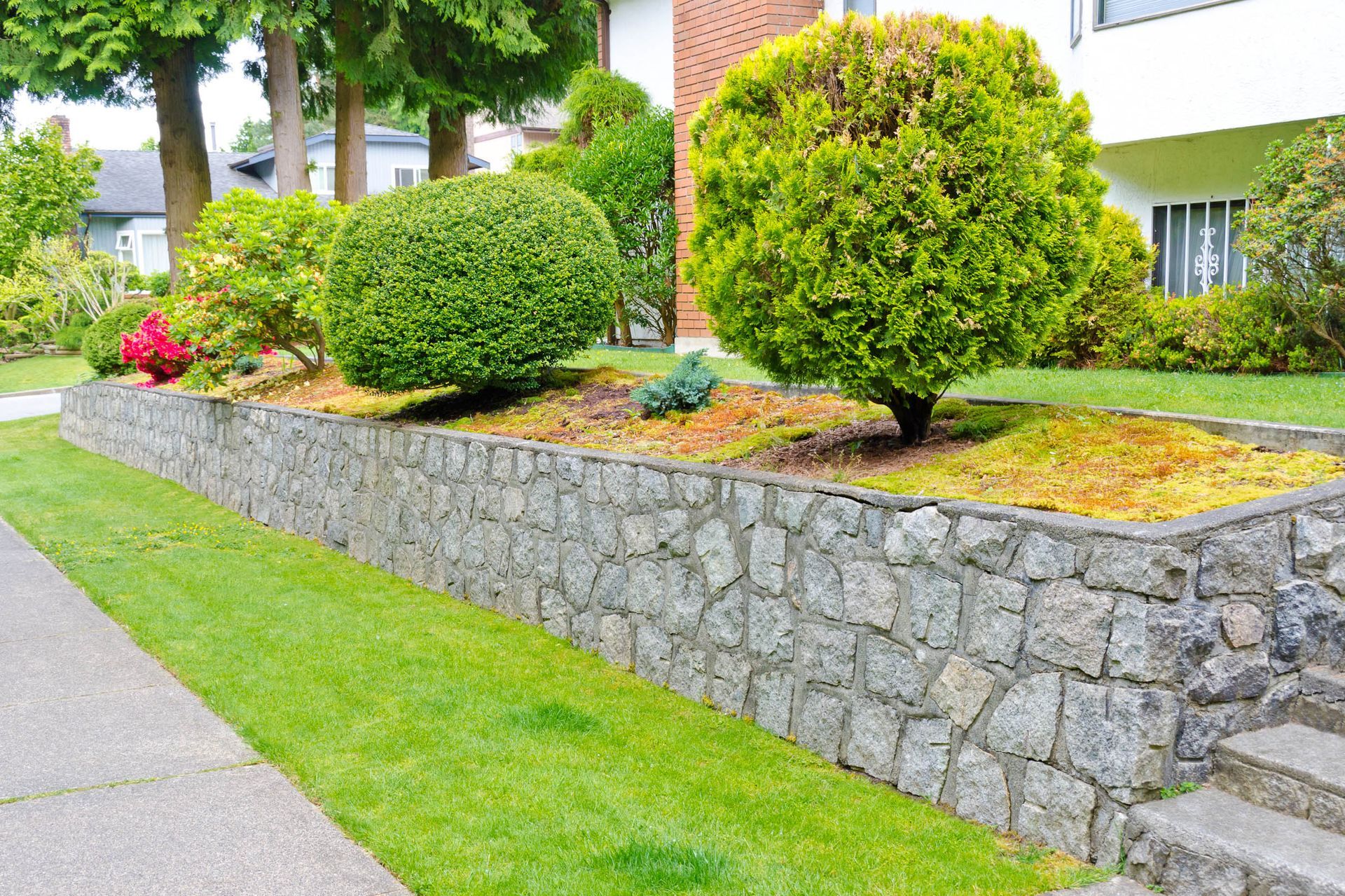
Discover how local lawn services help manage runoff with rain gardens, drainage systems, soil improvements, and grading to prevent standing water.
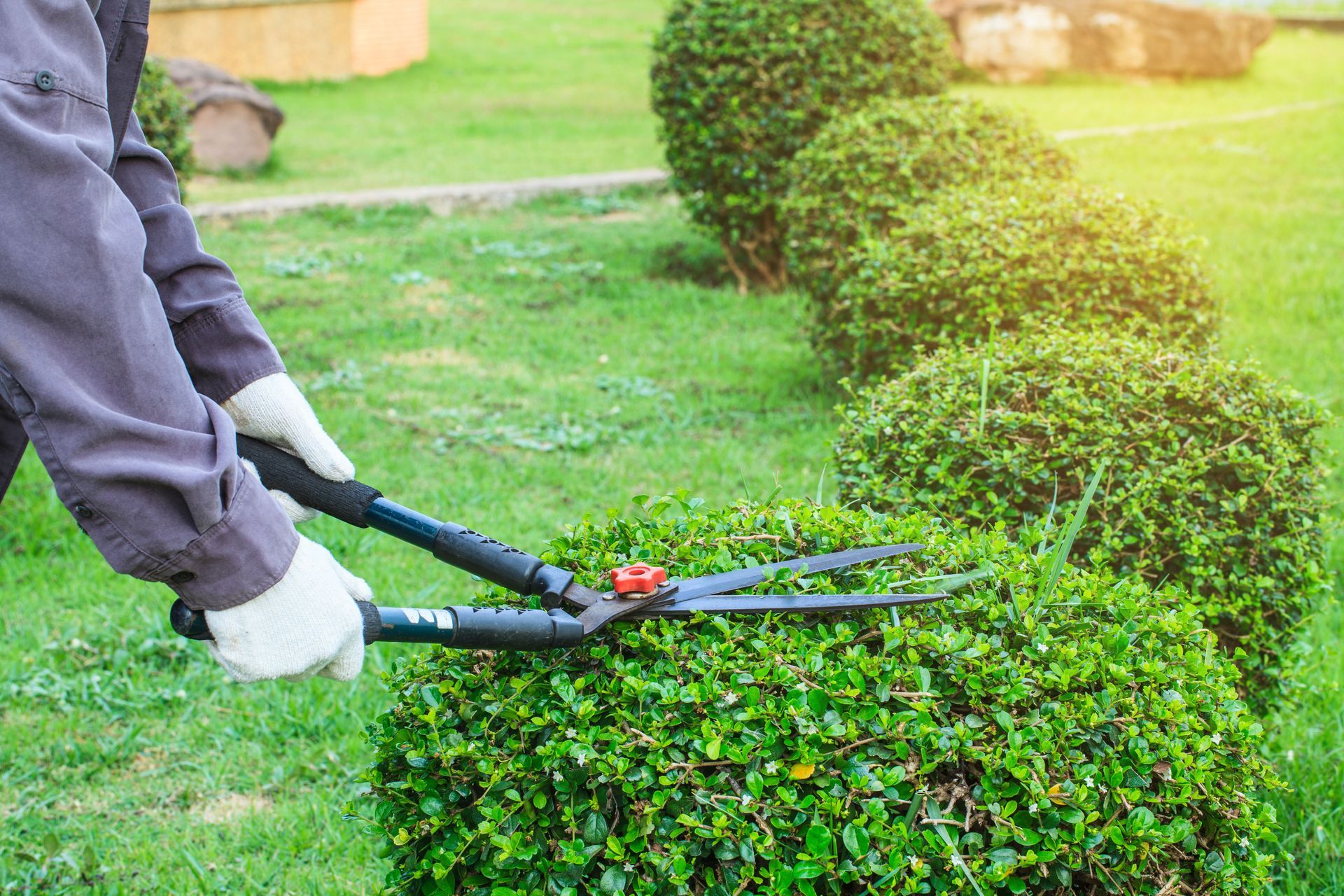
This article discusses the many ways it pays off in the long term to hire professional, local lawn services when you need property maintenance.

